_1761219753.png)
Reverse Transcription PCR (RT-PCR)
Description:
RT-PCR follows the same procedure preceded by a reverse transcription step, where the RNA template is first converted into a complementary DNA (cDNA) using a reverse transcriptase (RT). The cDNA is then used as a template for exponential amplification using PCR.
A laboratory method used to make many copies of a specific genetic sequence for analysis. It uses an enzyme called reverse transcriptase to change a specific piece of RNA into a matching piece of DNA. This piece of DNA is then amplified (made in large numbers) by another enzyme called DNA polymerase. The amplified DNA copies help tell whether a specific mRNA molecule is being made by a gene.
Test Details
Applications of RT-PCR
- Disease Diagnosis:Used for diagnosing infectious diseases by detecting the genetic material of pathogens like viruses and bacteria.
- Gene Expression Analysis:Measures the amount of specific RNA to understand gene activity.
- Detection of Specific Pathogens:Widely used for the detection and quantification of RNA-based viruses, such as SARS-CoV-2 (the virus that causes COVID-19).
- Cancer Research:Can be used to diagnose cancer by looking for specific gene changes or gene activation.
Reference:RT-qPCR - qPCR Protocol
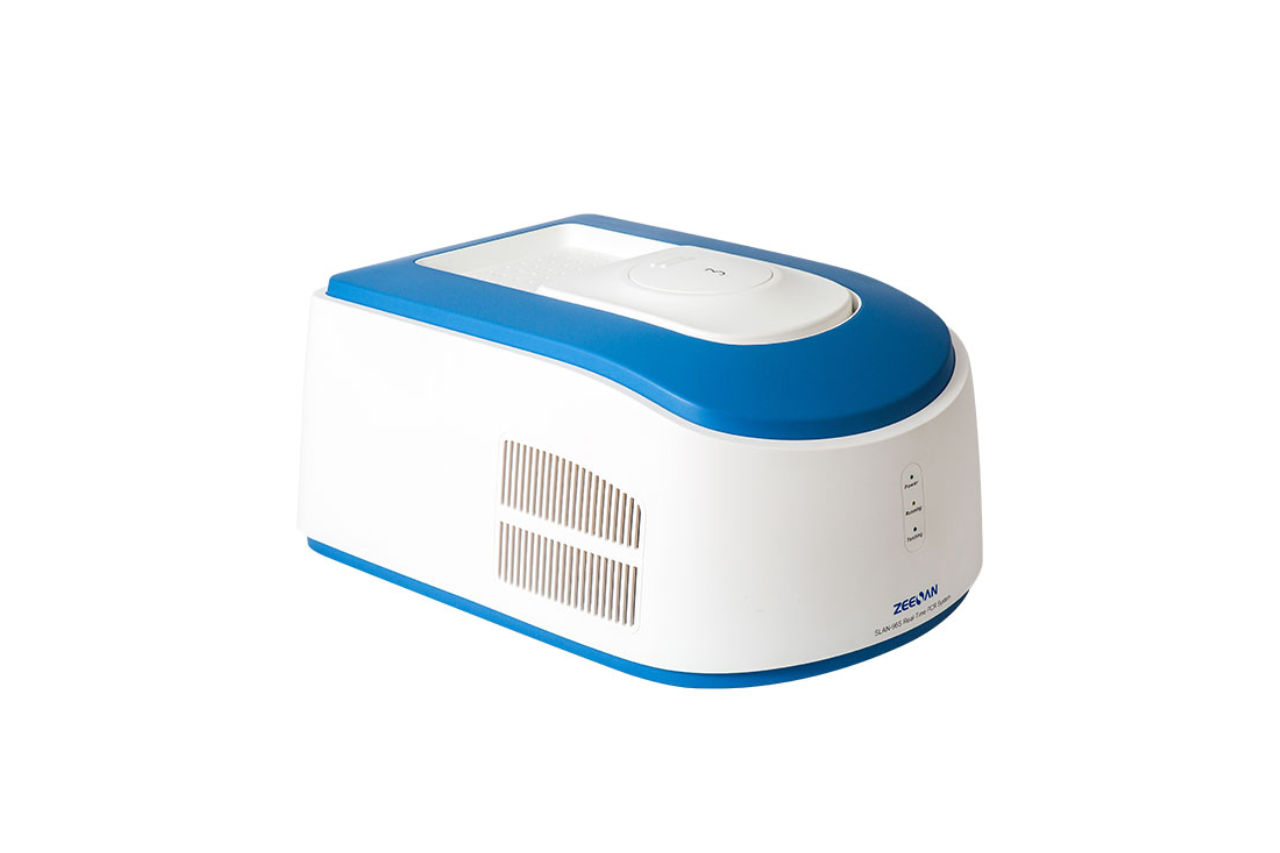
Devices that perform this test