Killing Time Assay
A Killing Time Assay is a test that measures the ability of an antimicrobial agent (e.g., antibiotic, disinfectant, or chemical compound) to kill or reduce the number of viable microorganisms. This assay provides valuable insight into the rate and extent of microbial reduction over time, offering a dynamic view of antimicrobial performance beyond static inhibition tests.
The data generated helps in understanding how quickly and effectively an agent acts, supporting the development of optimized formulations and guiding decisions in product design, safety, and efficacy. Killing Time Assays are widely used in pharmaceutical, biotechnology, and industrial research to evaluate antimicrobial potency and ensure robust product protection.
Procedure
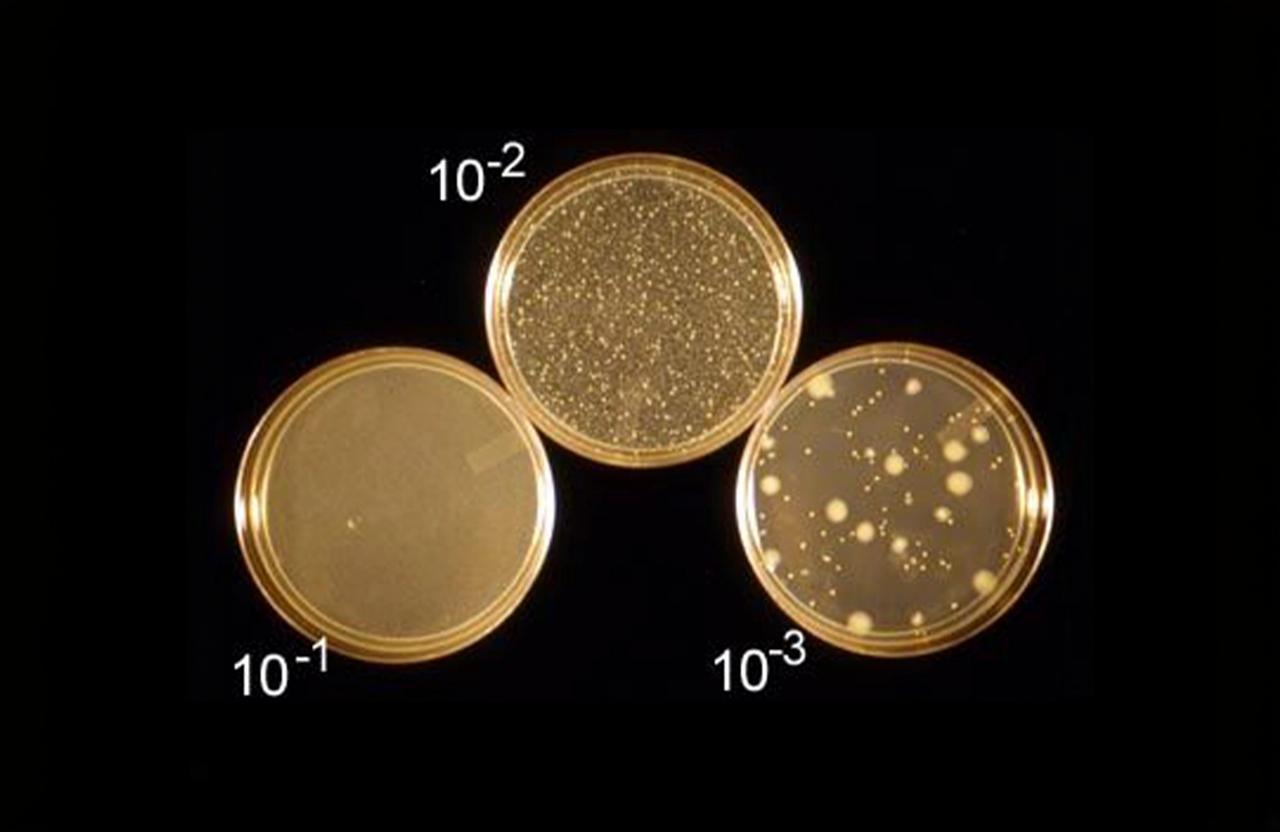
Prepare a standardized suspension of the test microorganism and expose it to the antimicrobial agent at a specified concentration and time. After incubation, neutralize the antimicrobial agent if needed, then plate samples on agar to determine the number of surviving colony-forming units (CFU).
Finally, calculate the reduction in viable microorganisms compared to a control without the antimicrobial agent.
Application
- Evaluating antimicrobial potency of new compounds.
- Testing sterilization and sanitation effectiveness in industry.
Reference
Jorgensen, J. H., & Pfaller, M. A. (2015). Manual of Clinical Microbiology (11th ed.).