DNA Sequencing & Genotyping
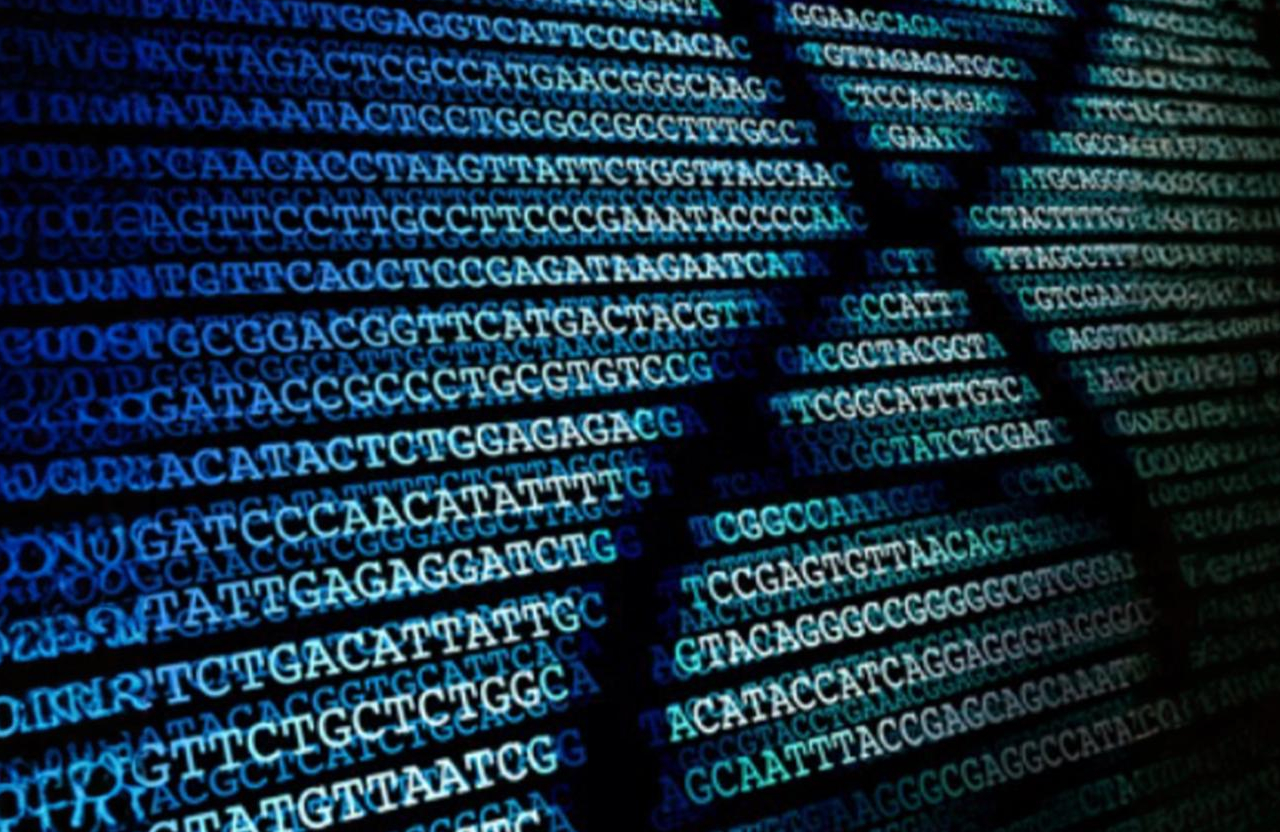
A laboratory process that determines the precise order of the four chemical building blocks, or bases (adenine, thymine, cytosine, and guanine), that make up a DNA strand. This determined sequence contains the genetic code that instructs a cell what to do and is used in various fields like medicine for diagnosing genetic diseases, in evolutionary biology to understand species relationships, and in research to identify gene functions and develop new treatments.
Test Details
Medical & Health Applications:
- Personalized Medicine:
- Disease Diagnosis:
- Cancer Research:
- Drug Discovery:
- Human Genome Project: Analyzing complete genomes to understand human biology and disease.
- Evolutionary Biology: Comparing DNA sequences of different species to understand evolutionary relationships, genetic variation, and how species evolved over time.
- Microbial Genomics: Characterizing microbial communities, studying antibiotic resistance, and identifying pathogens in infectious disease outbreaks.
- Synthetic Biology: Designing and creating new biological parts, devices, and systems.
- Forensic Science:
- Agriculture:
- Food Safety:
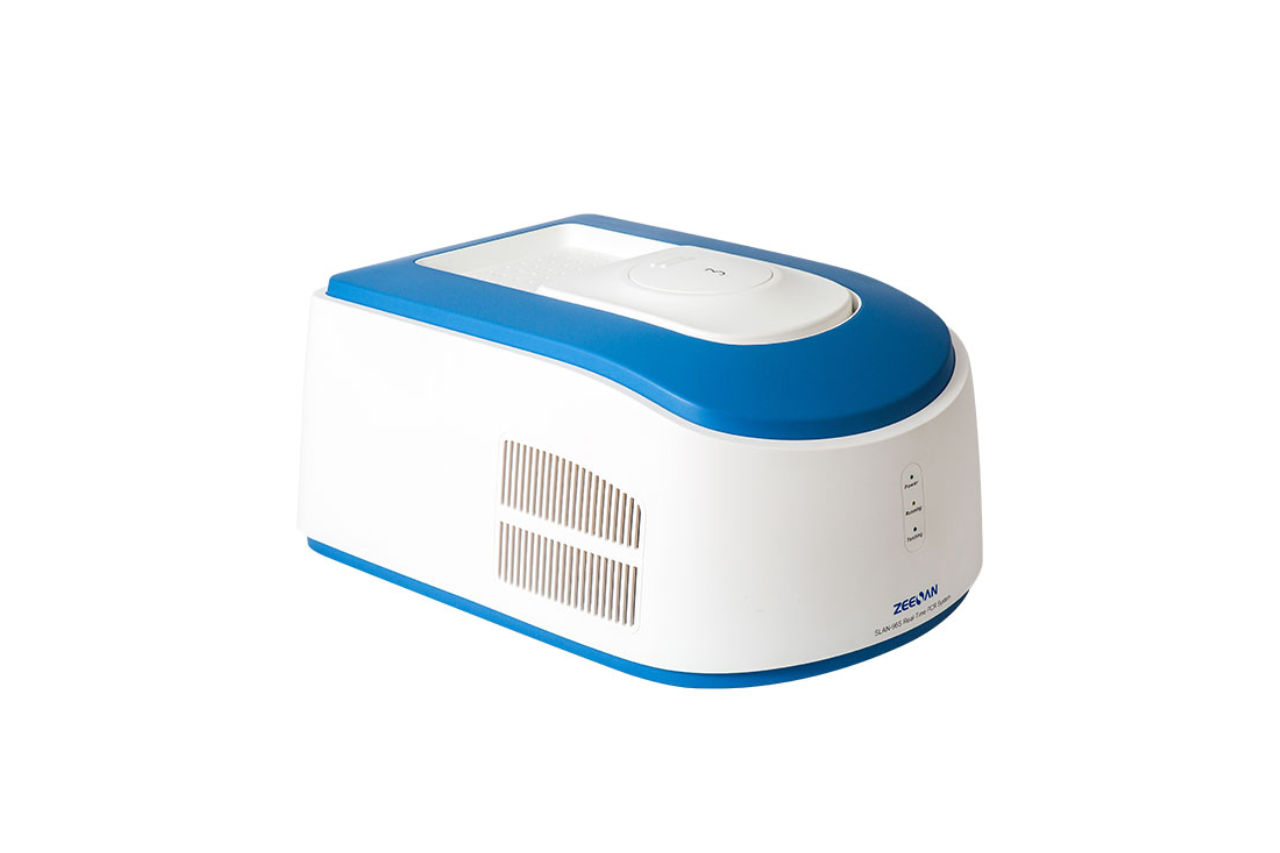
Devices that perform this test